Greensboro sits in that sweet area where the Piedmont's rolling red clay meets a long growing season and 4 real seasons of weather condition. A garden path here does more than connect point A to B. It keeps red mud off your floors, guides stormwater where it ought to go, frames planting beds, and sets the tone for how you move through the landscape. I have actually created, constructed, and repaired courses across Guilford County for many years. The most effective ones look basic on the surface area and hide smart options beneath. If you desire a course that holds up in Greensboro's environment, think like a contractor and a garden enthusiast at the same time.
What "practical" indicates in the Piedmont
Function begins with drain. Greensboro gets approximately 45 inches of rain a year, typically in heavy bursts. A path that ignores runoff ends up being a sluice in the next thunderstorm. Practical courses distribute or direct water without deteriorating, ponding, or cleaning fines into your lawn. They likewise match the soil. Our native clay swells and shrinks, so products that bend a little or rest on a well-compacted, free-draining base last longer.
Function likewise means the path fits your daily use. A five-foot-wide curve by the back door makes good sense if 2 people typically stroll side by side with a laundry basket. A service path to the garden compost can be narrower and more rugged. It needs to feel intuitive, not forced, and it must be safe when wet, dark, or covered with leaves in October.
Walk the website before you select a material
Before you get delighted about flagstone or brick, stroll the path after a rain. Note the soggy areas, the downspout outfalls, and any roots you wish to avoid. Press your heel into the soil where you plan to lay the course. If water wells up, you'll need to raise the grade or set up a drain. If it's tough as a parking lot, plan to scarify the subgrade so your base locks in rather than skating on slick clay.
Look up and out. In Greensboro's older neighborhoods, maples and oaks cast shade that keeps moss on the north side of the backyard. Shade affects both plantings and slip resistance. Search for energies too. Numerous homes have shallow cable television lines near the fence or watering laterals near the structure. North Carolina 811 is worth the call, even for a garden path.
Choosing materials that match Greensboro's weather
The right product balances upkeep, expense, and how you wish to utilize the path. Your options cluster into a couple of categories: loose aggregates, unit pavers, and slabs.
Loose aggregates like crushed granite screenings (often called stone dust), compacted fines, and pea gravel are affordable and forgiving. Screenings compact into a firm surface that sheds water much better than raw gravel. Pea gravel feels great underfoot however tends to move without edging and can be slippery on slopes. In our freeze-thaw cycles, compacted fines ride out movement well, but you'll top up every number of years.
Unit pavers include brick and concrete pavers. Both can be dry-laid on a base and sand bed, which suggests if a root raises a corner you can relevel it without a jackhammer. Brick gives you warm color that makes Greensboro's red clay appearance deliberate. Choose pavers rated for pedestrian usage, typically 2.25 inches thick for brick or about 2.375 inches for concrete. Smooth pavers with tight joints stay cleaner, however a light texture assists when wet.
Slabs cover natural stone, cast concrete steppers, and poured-in-place concrete. Flagstone is popular in landscaping throughout the area. For sturdiness, pick pieces a minimum of 1 to 1.5 inches thick. Dry-laying flagstone on screenings allows drainage and ease of repair. Mortared flagstone over a concrete slab looks crisp but cracks if the piece or soil relocations. Poured concrete is stable and easy to clear of leaves, yet it reflects heat and changes the feel of a garden. If you do pour, include broom texture for traction and location control joints at 4 to 6 feet intervals.
In short, if you want low upkeep and a polished look, brick or concrete pavers on a compacted base are a workhorse choice in Greensboro. If you like a softer, cottage feel and can manage routine top-ups, compacted screenings or gravel with sturdy edging performs well. Steppers through turf or groundcover are great for light traffic, but anticipate to reset a few each year as clay shifts.
Width, slope, and alignment that work day to day
For everyday usage in between driveway and door, 3 to 4 feet broad feels comfortable, especially when you bring bags or share the course. Secondary garden courses can taper to 30 to 36 inches. Curves check out much better than sharp angles in the landscape, but avoid switchbacks that trap water. Mild arcs that open sightlines feel natural.
Slope matters more than numerous house owners recognize. Aim for 1 to 2 percent cross slope to shed water off the course, with a comparable longitudinal slope along the route. You can check out that as approximately 1 to 2 inches of drop for each 8 to 10 feet. Keep even slopes. A surprise dip collects silt and becomes slick. Where you cross downhill stormwater, add a shallow swale or a conduit under the course so runoff has a place to go.
For actions, guardrails, or steeper shifts, remember Greensboro's regular wet leaves. Treads at 12 inches deep with 6 to 7 inch risers are comfortable, and you ought to integrate a landing every 6 to 8 feet of vertical modification. Surface texture is not optional; damp flagstone with a sleek face is an accident waiting to happen.
Base preparation, the part you never ever see but always feel
The build lives or dies on the base. Greensboro's clay needs structure to carry traffic and drain. The sequence hardly ever stops working: strip organics, set grade, stabilize the subgrade if needed, then develop a layered base with a compactible aggregate.
I start by removing 4 to 8 inches of soil for the majority of pedestrian paths, deeper if I'm setting up a heavier paver system or attempting to raise a low location. If you strike slick clay that polishes under a shovel, scarify the bottom an inch or more to provide the base something to bite into. If the location stays damp, lay a non-woven geotextile over the subgrade. It separates the clay from your stone and reduces pumping in storms.
For the base, utilize a well-graded crushed stone, typically offered as ABC, crusher run, or Class 5. It contains fines and bigger pieces, which compact into a strong matrix. In Greensboro, a 3 to 4 inch base works for light garden paths. For brick or concrete pavers that see wheelbarrows, delivery dollies, or weekly carts, I like 4 to 6 inches. Compact in lifts no thicker than 2 inches with a plate compactor. If you can step firmly on the surface without leaving a heel print, it's close to ready.
Over the base, set a 1 inch screed layer of granite screenings for pavers or flagstone. Prevent mason sand in outdoors work that requires to drain pipes; screenings lock much better and resist washout. For loose aggregate courses, compacted screenings alone can be your completed surface area if you keep a crown or cross slope.
Edging that holds the line
Edges keep your path from fraying into beds or turf. In Greensboro lawns with aggressive tall fescue or Bermuda, the yard will creep unless you provide a real barrier. Steel edging provides a crisp, resilient line and bends into arcs easily. Aluminum works too, though it dings more when a mower bumps it. Concrete soldier-course pavers set on edge can function as a border and cutting strip.
For gravel or screenings, plan edges high enough to stop migration. A 4 inch steel edge set with its top just at grade holds aggregate without creating a journey edge. For pavers, plastic paver edging staked into the base does a great job, however in high-traffic runs or curves that take lateral loads, steel or poured concrete edge restraints are sturdier.
Drainage details that settle throughout summer storms
Paths become part of your site's stormwater system. The small choices accumulate. Connect downspouts into piping or splash blocks that path water under or away from the course. Where your route crosses a natural circulation line, cut a shallow, lined swale beside or below the path. A 6 to 8 inch wide channel with river rock or grass reinforcement takes pressure off the path during cloudbursts.
For broad, paved courses near structures, consider https://www.tumblr.com/etherealfablecataclysm/805608354715189248/outside-lighting-concepts-to-raise-your permeable pavers. They cost more in advance since the base is various: an open-graded stone system that stores and infiltrates water. On Greensboro clay, you won't penetrate like sandy coastal soils, but a permeable section with an underdrain still slows peak flows and keeps water out of the crawlspace. If that sounds like overkill, a minimum of separate strong paving with planting pockets that accept runoff.
Step-by-step build for a long lasting paver path
This is the series I utilize for a 3 to 4 foot paver course in a Greensboro lawn. Adjust dimensions to match your site.
- Lay out the path with marking paint or a garden tube. Verify widths at difficult situations near AC lines, pipe bibs, and gates. Stake the edges and pull taut mason's line to show finished grade with a 1 to 2 percent cross slope. Excavate 6 to 8 inches below completed grade to accommodate 4 to 6 inches of compacted base, 1 inch of screenings, and the paver thickness. Strip all roots and raw material. If the subgrade is soft, add geotextile. Install the base in 2 inch lifts utilizing crusher run. Compact each lift with a plate compactor until it feels tight underfoot and the machine tone modifications. Examine slope and adjust with each lift instead of trying to fix it at the end. Set edging on the compacted base. For curves, utilize flexible steel edging or cut kerfs in concrete edge pieces to alleviate the bend. Secure firmly before placing the screed layer so you do not move the edges throughout compaction. Screed a 1 inch layer of granite screenings. Place pavers in your picked pattern, keep joints consistent, then sweep in polymeric sand and vibrate with a compactor and a protective pad. Gently mist to set the sand.
That sequence avoids the common mistake of trying to compensate for a bad base with thicker sand. In this climate, sand washes and heaves. Base does not.
Flagstone and stepping stone paths that do not wobble
Natural stone feels right in woody Greensboro yards, but it requires mindful bed linen. Stone thickness varies, so screeding to a precise 1 inch layer and setting stones on top seldom provides you a level surface. Instead, screed your screenings a bit low, then hand-bed each stone, scooping or adding screenings under private corners until it sits solid. Test with your foot. If it rocks, lift and change. Aim for 1 to 1.5 inch joints, which you can fill with screenings, polymeric sand ranked for broad joints, or a creeping groundcover like mazus or dwarf mondo yard. Bear in mind that groundcovers compete with stones for water; water gently throughout establishment.
On slopes, include pinning stones that bridge throughout the path to lock panels together. If you require actions, carve brief risers into the slope instead of stacking stones on grade. Bury a minimum of a third of a step stone's depth for stability.
Gravel and screenings done right
A compacted screenings path can be a joy to stroll and simple to preserve if you build it deliberately. The trick is moisture and compaction. Set up in thin lifts, each moistened and compacted until it turns from dirty to tight. If you can drag your boot and raise dust, you need more wetness. If water pools throughout compaction, it's too wet. In Greensboro's summer season heat, a pipe with a great spray and perseverance make all the difference.
Use an edge restraint to contain fines. Without an edge, wheel traffic will pump screenings into nearby soil. Anticipate to sweep and top up every couple of years. The benefit is that repair work are simple. If a tree root raises a section, scrape off material, prune the root carefully if proper, then restore the surface.
Working with red clay without fighting it
Greensboro's clay is both an obstacle and a possession. It holds water and expands, but when compacted effectively it forms a firm subgrade. The key is never to construct on saturated clay. If you begin excavation after a week of rain, wait a day or two for the subgrade to dry to a company however convenient state. If your schedule doesn't permit that, utilize geotextile and increase base depth to bridge the soft spots.
Avoid wrapping the course in impermeable materials that trap water. Mortar caps against foundation walls or constant plastic underlayment can hold moisture where you least desire it. Let water relocation, then give it a location to go.
Planting along with the path
A path modifications microclimates. It shows light and heat, channels breezes, and sheds water into nearby beds. In Greensboro's Zone 7b to 8a, you can play to that. Heat-loving herbs like thyme and oregano do well along pavers because the stones warm the soil. They likewise tolerate a little foot traffic if they spill over. On shadier sides, hellebores, oakleaf hydrangea, and autumn fern soften edges and deal with leaf litter.
Leave at least 6 inches of planting setback from edges where mower wheels or foot traffic may harm plants. If you prepare lighting, select fixtures ranked for outside usage with sealed connections. Grease or gel-filled wire nuts stand much better to moisture. Run low-voltage lines in conduit where they cross under the path so you can service them later without excavation.
Safety, codes, and useful limits
For paths serving primary entries or accessible routes, mind slopes. Anything steeper than 1:12 feels difficult with a stroller or mower, and local building codes may use if you produce steps or landings at doorways. Hand rails become necessary as you include stair runs. While a yard garden course seldom needs authorizations, troubling soil near the right-of-way or working within a drainage easement can set off reviews. When in doubt, check with the City of Greensboro's Development Solutions. A fast call conserves a great deal of rework.
Lighting, while not compulsory, makes paths safer. In Greensboro's long summertime evenings, low, shielded fixtures set at ankle to knee height offer sufficient light without glare. Prevent intending lights into next-door neighbors' backyards. For slip resistance, keep the surface texture and jointing honest. A glossy sealant on stamped concrete may look great in photos, then turn treacherous in a drizzle.
Budgeting and phasing the work
Costs differ with product, gain access to, and just how much labor you self carry out. As a rough Greensboro range for a 3 to 4 foot path:
- Compacted screenings with steel edging: products typically fall in between 6 to 10 dollars per square foot. Add more if gain access to is tight or you need geotextile and much deeper base. Brick or concrete pavers dry-laid: 12 to 25 dollars per square foot for materials, depending on paver option and edging. Installed by a professional, amounts to often land between 22 and 40 dollars per square foot. Dry-laid flagstone: materials from 15 to 30 dollars per square foot depending upon stone density and origin. Installed pricing frequently varies 28 to 55 dollars per square foot.
If your spending plan requires a phased approach, develop the base and short-lived surface area now, then update the finish later. A sturdy base under screenings can accept pavers a year or more down the roadway without rework. That method likewise lets you live with the positioning and adjust widths before you devote to costlier finishes.
Maintenance calendar that matches our seasons
Late winter into early spring, inspect for frost heave, particularly along edges. Re-level any high pavers or stones and top up joint sand. Clear winter season leaf mats from shaded stretches to avoid slick algae. In summer, after big storms, search for rills or areas where fines cleaned. Add screenings and compact as required. Edge the lawn faithfully. Tall fescue sneaks under paver edges quicker than you anticipate in May and June.
In fall, leaves are both mulch and danger. A stiff broom does more excellent than a blower on stone and pavers, keeping joint material in location. For gravel, a rake with a wide head and flexible branches rearranges displaced stones without digging brand-new grooves. Every couple of years, pressure wash lightly if you must, however use a fan pointer and keep distance to avoid blasting out joint product. Algae on shady flagstone responds well to a diluted oxygen bleach, which is gentler on close-by plants than chlorine.
When to call a pro in landscaping Greensboro NC
DIY saves money and teaches you your yard, but there are times to generate a contractor experienced with landscaping in Greensboro NC. If your course intersects a severe drain line, if you need maintaining walls to create level areas, or if the route crosses numerous roots of a valuable tree, experienced teams earn their keep. They'll set grades with a laser, size base appropriately, and typically surface in a day or more what can take a property owner 3 weekends. A regional pro also knows material backyards that stock granite screenings and the difference between a good batch of crusher run and one that's all dust.
Ask to see examples of their paths after 2 or three years, not simply the day they're swept. Excellent teams will talk you out of fragile mortared flagstone on brand-new fill or too-thin pavers on soft soils. They'll also be honest about trade-offs. For instance, permeable pavers help with stormwater however require thorough joint upkeep under oak trees that shed fines and tannins.
Small options that make a path feel finished
Little details make paths more livable. A two-brick soldier course at the edge offers a trimming strip that keeps grass from fraying into joints. A subtle change in pattern at a junction informs your feet which method to go without a sign. A landing set back from a gate gives room for the swing and for individuals to stand without entering mulch.
Color matters too. In Greensboro's red soils, stones with warm buff or soft gray tones look intentional and hide splash marks. Intense white gravel shows every leaf stain by November. If you love pea gravel, choose a combine with 3/8 inch size and angular pieces combined in; it condenses much better than pure round pebbles.
Finally, think about how the path satisfies thresholds. A clean shift at the stoop or deck, with the completed surface area a half inch listed below the top of the slab or sill, sheds water away and prevents a journey edge. Seal any space versus the house with backer rod and a flexible sealant, not stiff mortar, so seasonal motion doesn't open a leak path into the foundation.
A functional course as the foundation of your landscape
When you get the structure right, the path quietly organizes everything around it. Beds become simpler to tend, mulch sit tight, water acts, and the space welcomes you outdoors on a humid July morning or a crisp November afternoon. Whether you lay brick, location flagstone, or compact screenings, prioritize base, drain, and edges. Let the material match your upkeep style and the character of your home. In a city full of mature trees, clay soils, and energetic seasons, the basic, durable options endure.
If you're preparing wider landscaping improvements, develop the path early. It gives crews gain access to without chewing up lawns, and it sets grades for patio areas, steps, and planting beds that loop. Done thoughtfully, your garden course becomes the line that anchors the whole composition, not just a walkway.

Business Name: Ramirez Landscaping & Lighting LLC
Address: Greensboro, NC
Phone: (336) 900-2727
Website: https://www.ramirezlandl.com/
Email: [email protected]
Hours:
Sunday: Closed
Monday: 8:00 AM–5:00 PM
Tuesday: 8:00 AM–5:00 PM
Wednesday: 8:00 AM–5:00 PM
Thursday: 8:00 AM–5:00 PM
Friday: 8:00 AM–5:00 PM
Saturday: 8:00 AM–5:00 PM
Google Maps: https://www.google.com/maps/search/?api=1&query=Google&query_place_id=ChIJ1weFau0bU4gRWAp8MF_OMCQ
Map Embed (iframe):
Social Profiles:
Facebook
Instagram
Major Listings:
Localo Profile
BBB
Angi
HomeAdvisor
BuildZoom
Ramirez Landscaping & Lighting is a Greensboro, North Carolina landscaping company providing design, installation, and ongoing property care for homes and businesses across the Triad.
Ramirez Landscaping & Lighting offers hardscapes like patios, walkways, retaining walls, and outdoor kitchens to create usable outdoor living space in Greensboro NC and nearby communities.
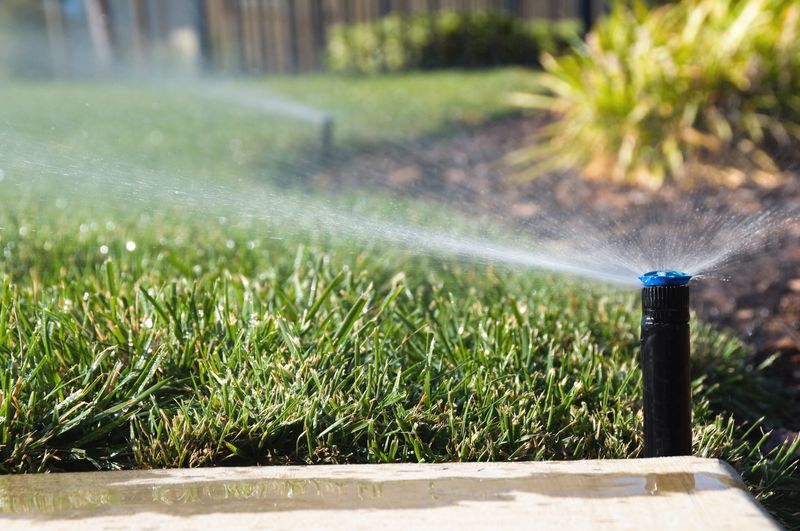
Ramirez Landscaping & Lighting provides irrigation services including sprinkler installation, repairs, and maintenance to support healthier landscapes and improved water efficiency.
Ramirez Landscaping & Lighting specializes in landscape lighting installation and design to improve curb appeal, safety, and nighttime visibility around your property.
Ramirez Landscaping & Lighting serves Greensboro, Oak Ridge, High Point, Brown Summit, Winston Salem, Stokesdale, Summerfield, Jamestown, and Burlington for landscaping projects of many sizes.
Ramirez Landscaping & Lighting can be reached at (336) 900-2727 for estimates and scheduling, and additional details are available via Google Maps.
Ramirez Landscaping & Lighting supports clients with seasonal services like yard cleanups, mulch, sod installation, lawn care, drainage solutions, and artificial turf to keep landscapes looking their best year-round.
Ramirez Landscaping & Lighting is based at 2700 Wildwood Dr, Greensboro, NC 27407-3648 and can be contacted at [email protected] for quotes and questions.
Popular Questions About Ramirez Landscaping & Lighting
What services does Ramirez Landscaping & Lighting provide in Greensboro?
Ramirez Landscaping & Lighting provides landscaping design, installation, and maintenance, plus hardscapes, irrigation services, and landscape lighting for residential and commercial properties in the Greensboro area.
Do you offer free estimates for landscaping projects?
Ramirez Landscaping & Lighting notes that free, no-obligation estimates are available, typically starting with an on-site visit to understand goals, measurements, and scope.
Which Triad areas do you serve besides Greensboro?
Ramirez Landscaping & Lighting serves Greensboro and surrounding Triad communities such as Oak Ridge, High Point, Brown Summit, Winston Salem, Stokesdale, Summerfield, Jamestown, and Burlington.
Can you help with drainage and grading problems in local clay soil?
Yes. Ramirez Landscaping & Lighting highlights solutions that may address common Greensboro-area issues like drainage, compacted soil, and erosion, often pairing grading with landscape and hardscape planning.
Do you install patios, walkways, retaining walls, and other hardscapes?
Ramirez Landscaping & Lighting offers hardscape services that commonly include patios, walkways, retaining walls, steps, and other outdoor living features based on the property’s layout and goals.
Do you handle irrigation installation and repairs?
Ramirez Landscaping & Lighting offers irrigation services that may include sprinkler or drip systems, repairs, and maintenance to help keep landscapes healthier and reduce waste.
What are your business hours?
Ramirez Landscaping & Lighting lists hours as Monday through Saturday from 8:00 AM to 5:00 PM, and closed on Sunday. For holiday or weather-related changes, it’s best to call first.
How do I contact Ramirez Landscaping & Lighting for a quote?
Call (336) 900-2727 or email [email protected]. Website: https://www.ramirezlandl.com/.
Social: Facebook and Instagram.
Ramirez Landscaping & Lighting is honored to serve the Greensboro, NC region and offers trusted landscape lighting solutions for homes and businesses.
Need landscaping in Greensboro, NC, contact Ramirez Landscaping & Lighting near Greensboro Science Center.